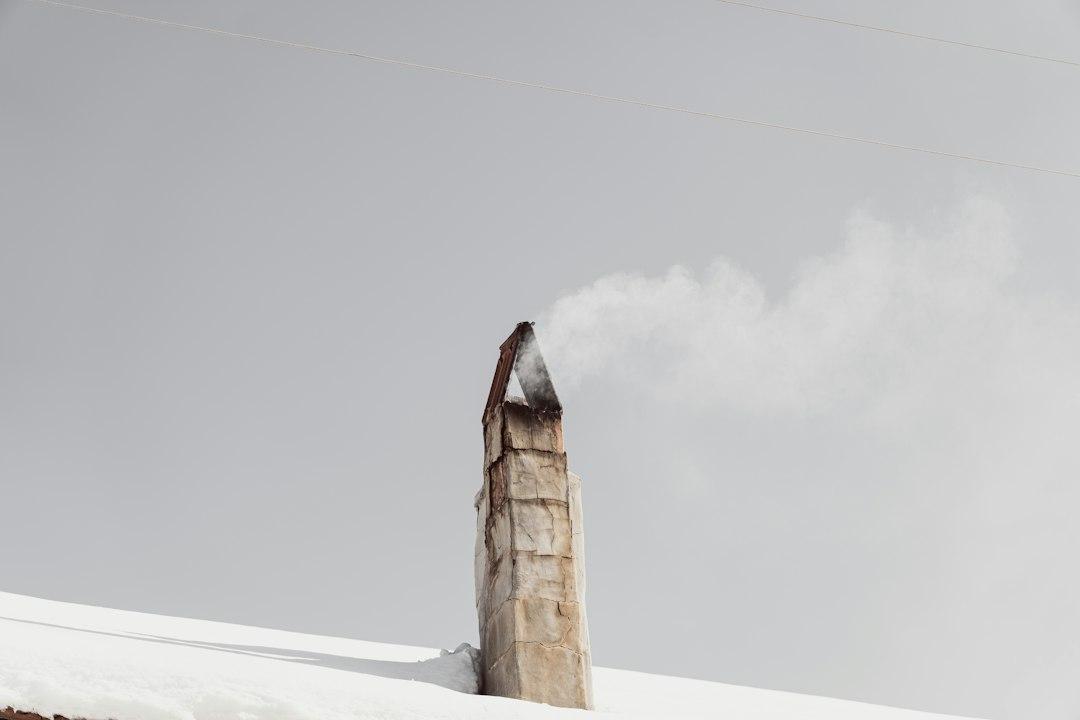
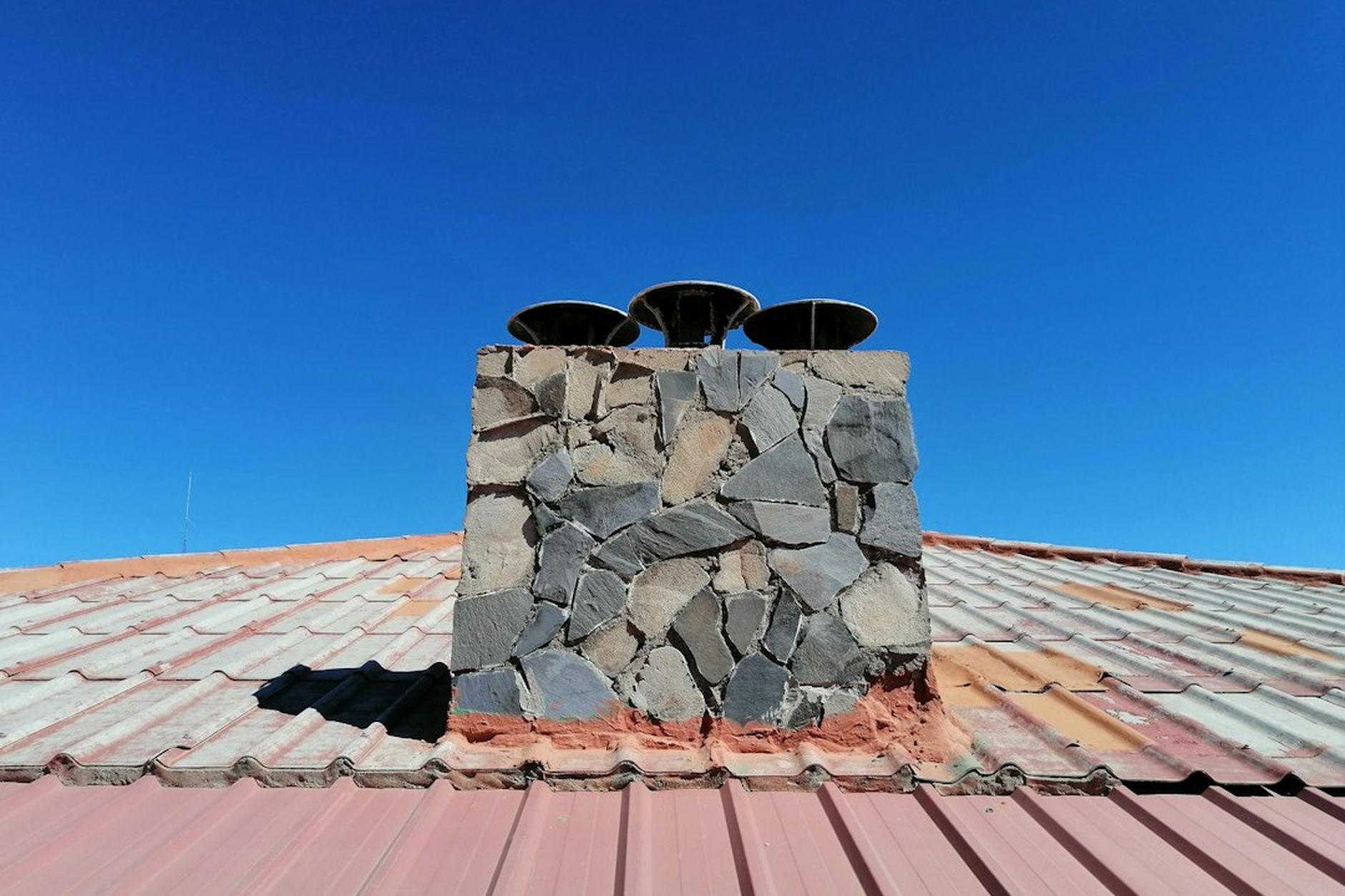
Three sizes of brickwork job
Brick repair on a chimney comes in three sizes, and nearly every masonry estimate we write in La Habra falls into one of them. Knowing which size your chimney sits in tells you more about the final figure than any national average. We do not publish one price for brickwork, because a short stack with tired joints and a tall one with a loose top are different jobs. Below is how we size the work, what pushes each size up, and which parts can safely sit for a season.
Size one: joint work
The most common masonry job is mortar. Brick outlasts the mortar between it, and on older chimneys the joints near the top are often sandy, recessed or open. The fix is to cut out the bad joints and fill them again, with a mix chosen to suit the brick so the new mortar ends up no harder than the units it holds.
What raises the figure: how many faces need it, how high up it runs, and whether the joints are poor all the way down or only near the top where weather hits hardest. A patch of a few square feet under the crown is a short job. A whole stack means scaffold and several days.
What can wait: fine cracks in joints that still hold firm when scratched with a key. We note them and look again next visit.
Size two: brick replacement and the top courses
Next comes individual brick. A face that has flaked away, a brick split by water or by shaking, a corner knocked loose. Single bricks can be cut out and swapped for a close match; where the top few courses have worked loose, they come off and are laid again on fresh mortar.
What raises the figure: finding brick that matches, the number of courses involved, and the crown. Relaying the top courses usually means the crown comes off too, so the estimate shows the crown as its own line.
What can wait: a stained or slightly worn face with sound brick behind it. Looks are not a safety item.
Size three: partial or full rebuild
When the stack above the roof has cracked through, leans, or shifts when pushed, mortar will not save it. The failed section comes down, and the stack goes back up on a sound base with reinforcement, a new crown and a cap. How far down we go depends on where the brick turns solid. The estimate states the depth we expect and spells out the price change if lower brick proves weaker than it looks.
What raises the figure: height, roof pitch, the number of flues inside, and whether the city wants a permit. Work that reaches below the roof generally needs one.
What cannot wait: a loose or leaning top. It is the one masonry item we ask owners not to put off.
A word on La Habra brick
The ground here has moved more than once. The Whittier Narrows quake of 1987 and the 2014 quake centered near La Habra both shook this end of the county, and some chimneys still carry old cracks under later patches. A patched crack is not always a failed one, but the camera and a close look at the joints tell us which. That is part of why a sizeable masonry figure usually follows a Level 2 inspection at $415 rather than a glance from the driveway.
What we publish and what we price per chimney
The prices we do publish touch masonry from its edges:
- Visual look at chimney and fireplace: $175
- Camera run of the flue, plus roof and attic: $415
- Finding and stopping a leak, brick included where it is the cause: $595 to $3,550
- A new cap once the top is sound: quoted on site
Repointing, brick replacement and rebuilds each get their own figure, written per chimney and broken into lines. You hold that figure on paper before anything is scheduled.
What sets your number, and how to start
Three facts decide a masonry figure: how far the damage goes, how high it sits, and how the roof lets us reach it. Two of those we can judge from a description; the third needs someone up top.
For a first read before a visit, fill in the quote form with the address, the age of the house and what shows from the yard: open joints, missing brick, a crack, a lean. We call back, say which size of job it sounds like, and set a time to see it.
Options we put side by side
Many masonry estimates carry two or three routes:
- Repoint now, rebuild later. For a top that is worn but not loose, repointing buys years. We say roughly how many we expect, with the caveat that quakes keep their own schedule.
- Rebuild the top now. If the top courses are half gone, a rebuild costs more today but ends the cycle of patching.
- Take it down to the roofline. For a wood fireplace you no longer use, lowering the stack and capping it can cost less than restoring height you do not need. If you might burn again, we say what that would mean for the flue.
What a masonry estimate should not do
It should not price the whole stack when one face is bad. It should not fold the crown into a general "masonry" line. It should not skip the flue, since brick that looks fine outside can surround a split liner. And it should not hide the cheaper option.
See how the rest of our estimate is laid out in Reading a Chimney Repair Estimate, or visit the masonry repair service and the rebuild page.
Next
Describe the brick on our contact page. The figure that comes back is split by job size, so you can pick the tier that fits your plans for the house.
Turn the Range Into a Figure
Rayburn looks at the chimney, then writes each fault on its own line with a price, a cheaper sound option where one exists, and a mark on what can wait. Requests come from La Habra, Fullerton, Norwalk, La Puente and the towns around them.